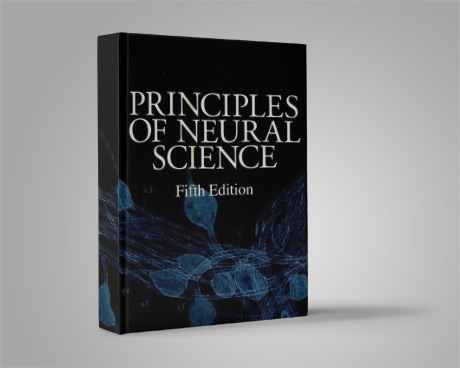
کتاب اصول پایه علوم اعصاب یکی از جامع ترین متون مرتبط با دانش نوروساینس می باشد که تاکنون چندین بار ویراستاری شده و اکنون نسخه پنجم آن در اختیار خوانندگان محترم سایت قرار می گیرد.
کتاب حاضر در 9 بخش، 67 فصل و 6 ضمیمه به رشته تحریر درآمده است.
در اینجا ضمن معرفی عناوین محتویات کتاب، با قسمت هایی از ترجمه پیش گفتار آن آشنا خواهید شد:
.... هدف نهایی علوم اعصاب این است که بدانیم سیگنال های الکتریکی چگونه در مسیرهای عصبی به جریان درمی آیند، چگونه ذهن شکل می گیرد و چگونه درک می کنیم، عمل می کنیم، می اندیشیم و یاد می گیریم.
.... در ده های گذشته دانش بیولوژی مولکولی کمک بزرگی به حل مشکلات نوروبیولوژیک کرده است. بیولوژی مولکولی به ما امکان داده تا پاتوژنز بسیاری از بیماری های نورولوژیک از جمله بیماری های ژنتیکی مخرب را بدانیم. بیماری هایی نظیر دیستروفی عضلانی، رتینوبلاستوما، نوروفیبراماتوز، بیماری هانتینگتون و اشکال خاصی از آلزایمر. هم چنین این دانش کمک کرده تا بدانیم رشد و تکامل مغز چگونه اتفاق می افتد.
.... برخی از سوالات کلیدی در نوروساینس عبارتند از: گروه های نورونی در طی رشد تکامل چگونه شکل می گیرند؟ محاسبات انجام شده توسط این مدارات نورونی چیست و این فعالیت چگونه باعث ایجاد رفتار می شود؟ این مدارات در طی شکل گیری یادگیری و حافظه چگونه تغییر پیدا می کنند؟ کدامیک از تغییرات ایجاد شده در این مدارات باعث بهبود بیماری های نورولوژیک و روانپزشکی می شوند؟
.... در کتاب حاضر همه مطالب مورد نیاز دانشجویان رشته های تخصصی آورده شده است، اما موضوعات به نحوی سازمادهی شده اند که برای درک مبانی اصلی علوم اعصاب نیاز به مطالعه عناوین خاص نمی باشد.
.... در سراسر این کتاب مستنداتی ارایه شده مبنی بر اینکه رفتار نمود فعالیت عصبی است.
... نویسندگان این کتاب همچنان امیدوارند که نسل آینده فارغ التحصیلان و دانشجویان علوم پزشکی به رویکرد مطالعه رفتار از ابعاد بیولوژیک و اجتماعی ترغیب شوند.
عناوین بخش ها و فصل های این کتاب عبارتند از:
- Part I :Overall Perspective
1 The Brain and Behavior 2 Nerve Cells, Neural Circuitry, and Behavior 3 Genes and Behavior
- Part II :Cell and Molecular Biology of the Neuron
4 The Cells of the Nervous System 5 Ion Channels 6 Membrane Potential and the Passive Electrical Properties of the Neuron 7 Propagated Signaling: The Action Potential 8 Overview of Synaptic Transmission 9 Signaling at the Nerve-Muscle Synapse: Directly Gated Transmission 10 Synaptic Integration in the Central Nervous System 11 Modulation of Synaptic Transmission: Second Messengers 12 Transmitter Release 13 Neurotransmitters 14 Diseases of the Nerve and Motor Unit
- Part IV :The Neural Basis of Cognition
15 The Organization of the Central Nervous System 16 The Functional Organization of Perception and Movement 17 From Nerve Cells to Cognition: The Internal Representations of Space and Action 18 The Organization of Cognition 19 Cognitive Functions of the Premotor Systems 20 Functional Imaging of Cognition
21 Sensory Coding 22 The Somatosensory System: Receptors and Central Pathways 23 Touch 24 Pain 25 The Constructive Nature of Visual Processing 26 Low-Level Visual Processing: The Retina 27 Intermediate-Level Visual Processing and Visual Primitives 28 High-Level Visual Processing: Cognitive Influences 29 Visual Processing and Action 30 The Inner Ear 31 The Auditory Central Nervous System 32 Smell and Taste: The Chemical Senses
33 The Organization and Planning of Movement 34 The Motor Unit and Muscle Action 35 Spinal Reflexes 36 Locomotion 37 Voluntary Movement: The Primary Motor Cortex 38 Voluntary Movement: The Parietal and Premotor Cortex 39 The Control of Gaze 40 The Vestibular System 41 Posture 42 The Cerebellum 43 The Basal Ganglia 44 Genetic Mechanisms in Degenerative Diseases of the Nervous System
- Part VII :The Unconscious and Conscious Processing of Neural Information
45 The Sensory, Motor, and Reflex Functions of the Brain Stem 46 The Modulatory Functions of the Brain Stem 47 The Autonomic Motor System and the Hypothalamus 48 Emotions and Feelings 49 Homeostasis, Motivation, and Addictive States 50 Seizures and Epilepsy 51 Sleep and Dreaming
- Part VIII :Development and the Emergence of Behavior
52 Patterning the Nervous System 53 Differentiation and Survival of Nerve Cells 54 The Growth and Guidance of Axons 55 Formation and Elimination of Synapses 56 Experience and the Refinement of Synaptic Connections 57 Repairing the Damaged Brain 58 Sexual Differentiation of the Nervous System 59 The Aging Brain
- Part IX :Language, Thought, Affect, and Learning
60 Language 61 Disorders of Conscious and Unconscious Mental Processes 62 Disorders of Thought and Volition: Schizophrenia 63 Disorders of Mood and Anxiety 64 Autism and Other Neurodevelopmental Disorders Affecting Cognition 65 Learning and Memory 66 Cellular Mechanisms of Implicit Memory Storage and the Biological Basis of Individuality 67 Prefrontal Cortex, Hippocampus, and the Biology of Explicit Memory Storage
A Review of Basic Circuit Theory B The Neurological Examination of the Patient C Circulation of the Brain D The Blood-Brain Barrier, Choroid Plexus, and Cerebrospinal Fluid E Neural Networks F Theoretical Approaches to Neuroscience: Examples from Single Neurons to Networks















نقد و بررسیها
هنوز بررسیای ثبت نشده است.